HEARTLAND OF CITIES
ربط علم الآثار والتراث
قلوب المدن
What did cities look like 4,500 years ago?
Water means life and danger, but without water there is no life
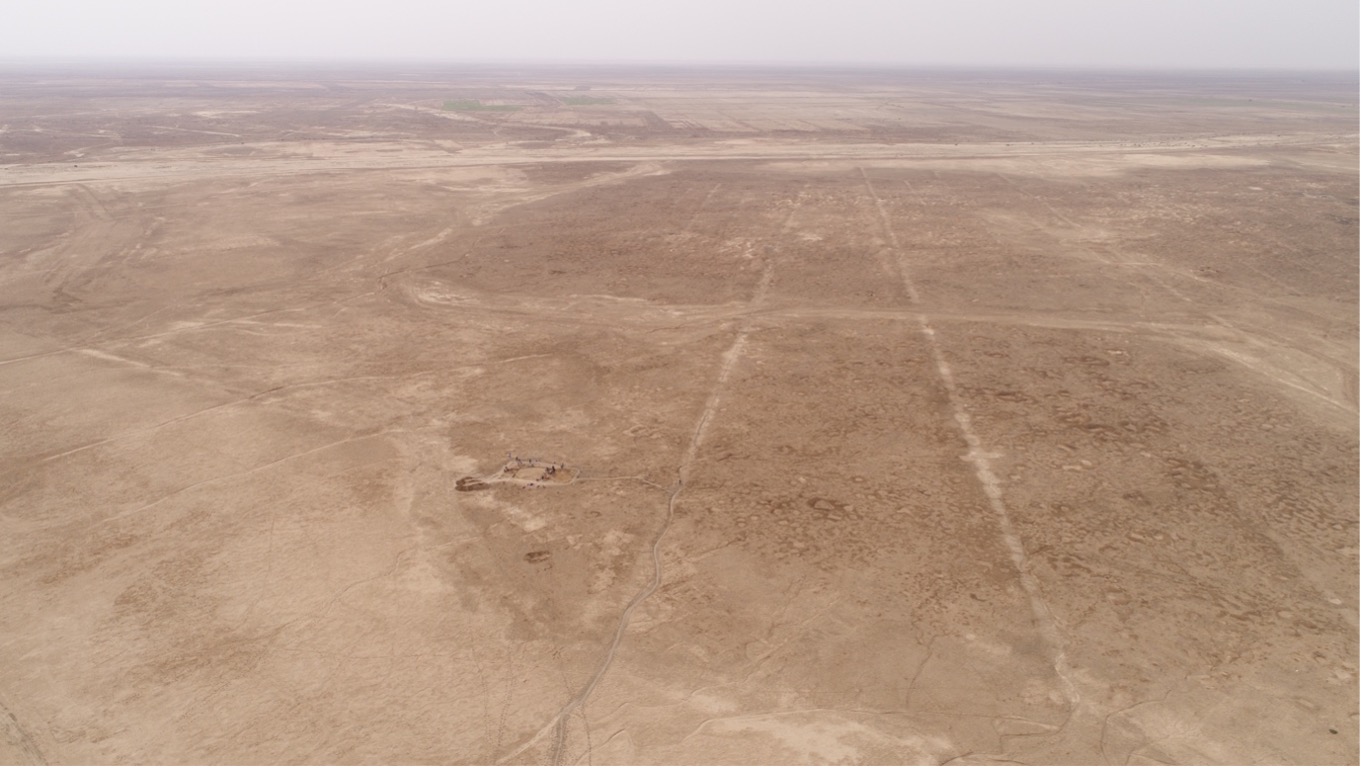
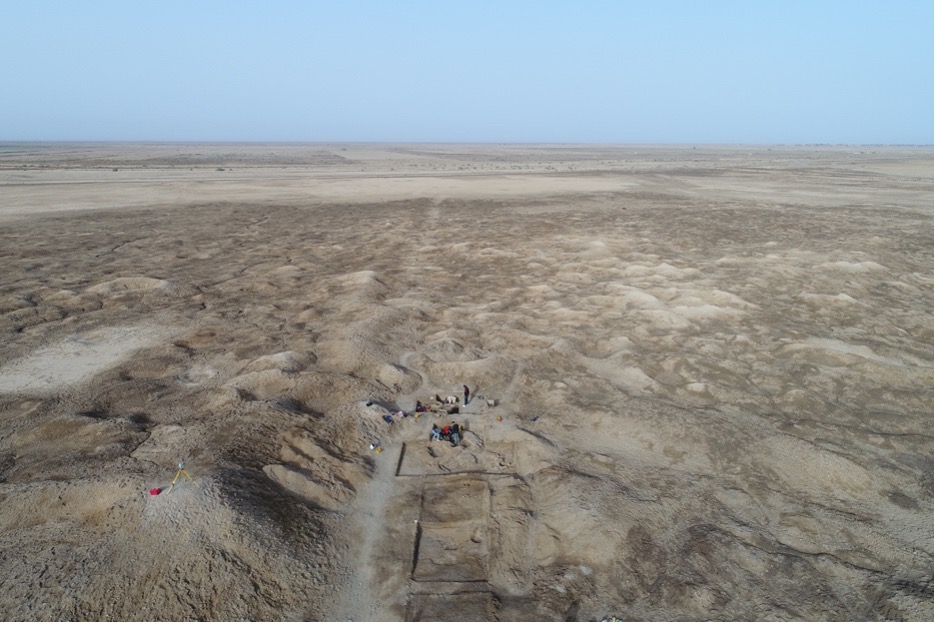
Many ancient sites in the Diwaniya province do not look very impressive today. They are shallow mounds of mud and sherds in the middle of nowhere. However, in ancient times, these were bustling cities full of life, where up to 50,000 inhabitants lived.
What has happened since then, why are the tells now lying in the dry steppe?
The answer is simple: the Euphrates has found a different course and no longer flows past the city as it used to. No water, no life.
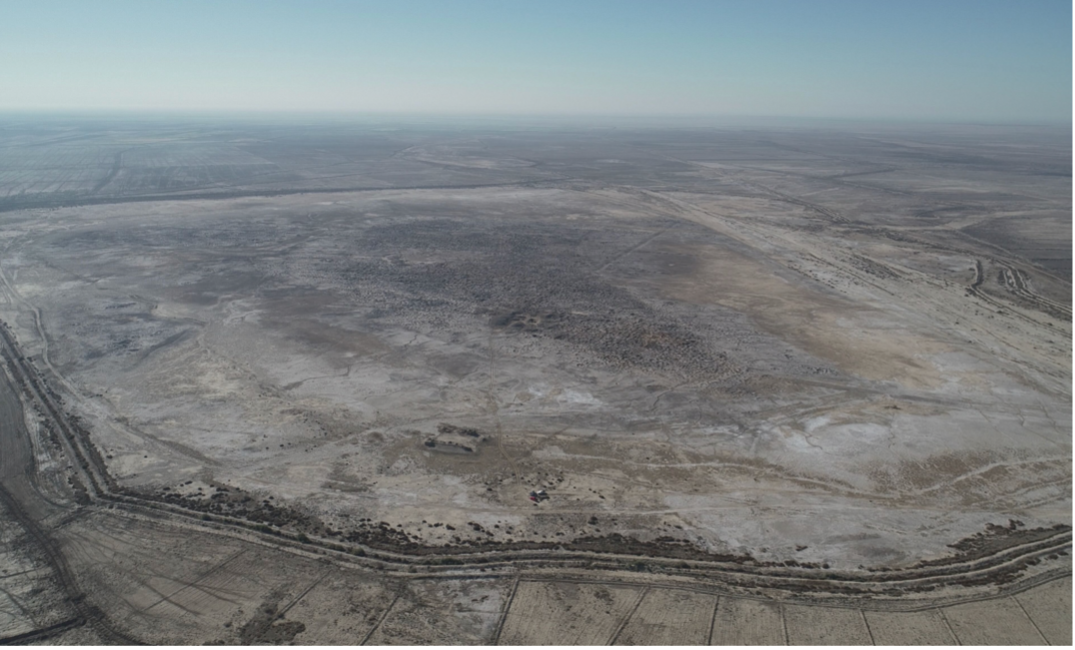
This is what happened to the city that was once called Šuruppak, one of the largest cities in the ancient land of Sumer between 3000 and 2000 BC. Today, Fara lies many kilometres away from the nearest watercourse and the next settlement, about 30km south of Afak.
Water was a central factor of both favour and danger for a large city in the South Mesopotamian alluvial plain. Even today, the tell is difficult to reach after rain. In antiquity, the site was probably once or several times the victim of flooding, since the Sumerian flood myth is located in Šuruppak.
Early excavations in Fara/ Šuruppak, a key site of the Early Dynastic period
The mound of Fara was a flourishing city named Šuruppak in the 3rd millennium BC. It was home of the flood hero Utnapištim, also called Ziusudra, and seat of the last dynasty “before the Flood” according to the Sumerian King List.
Already in 1902-1903, first excavations were conducted by a German team (Deutsche Orient-Gesellschaft) under the direction of the famous excavators of Babylon and Assur, Robert Koldewey and Walter Andrae. The early excavations took place under difficult conditions in a then fairly bellicose tribal area under the burning heat of the Mesopotamian summer. But they are today legendary because Fara became a key site for understanding the cities of the „First Sumerian Dynasties“.
In 1902, the urban structure of a Sumerian town was investigated for the first time. It was done systematically with the best methods of those early days of archaeological research: one large trench crossed the site from SW to NE, and 20 trenches, each 3m wide and up to 900m long, were laid out in W–E direction. They are still visible today as long lines on the ground.
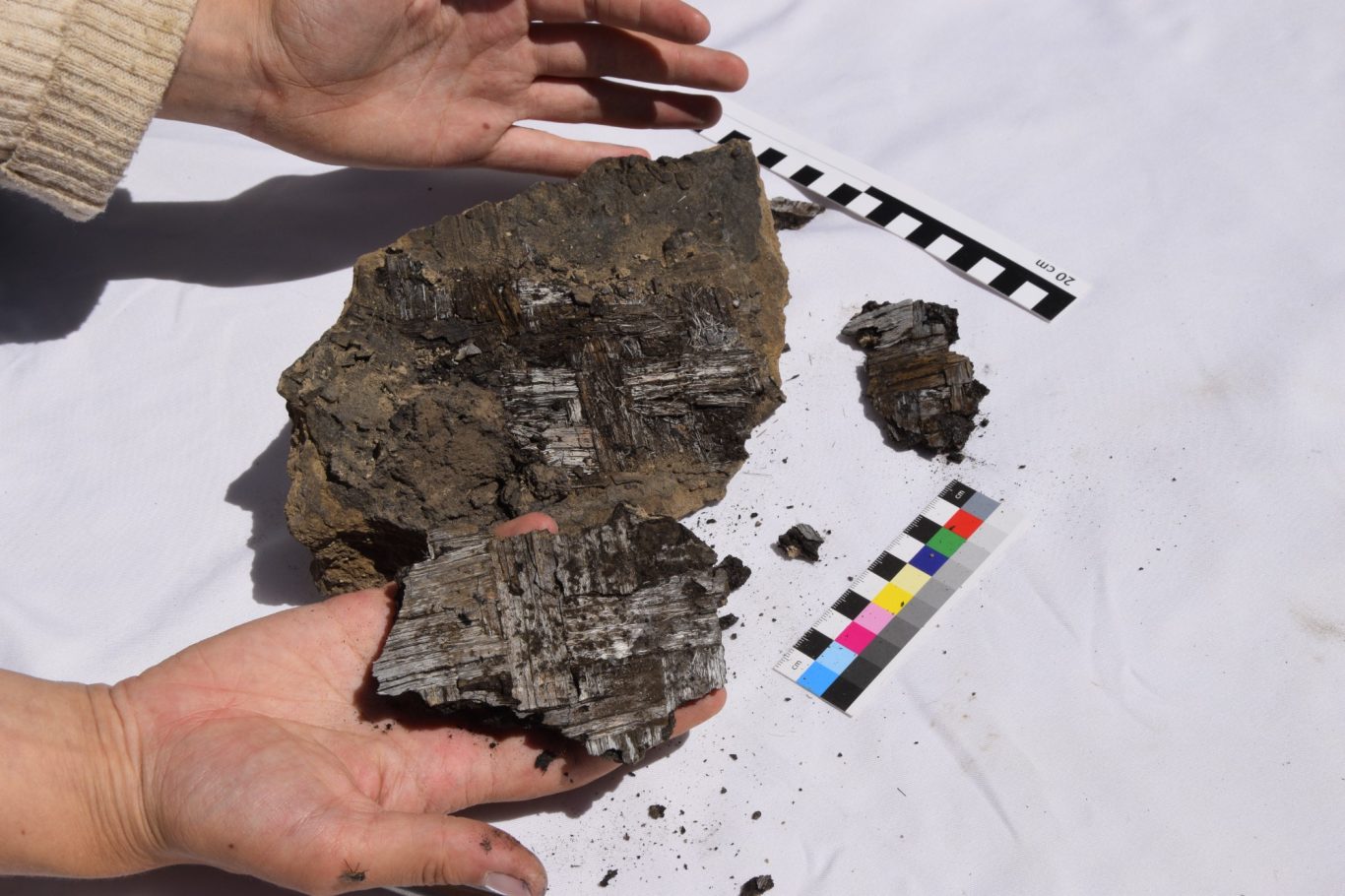
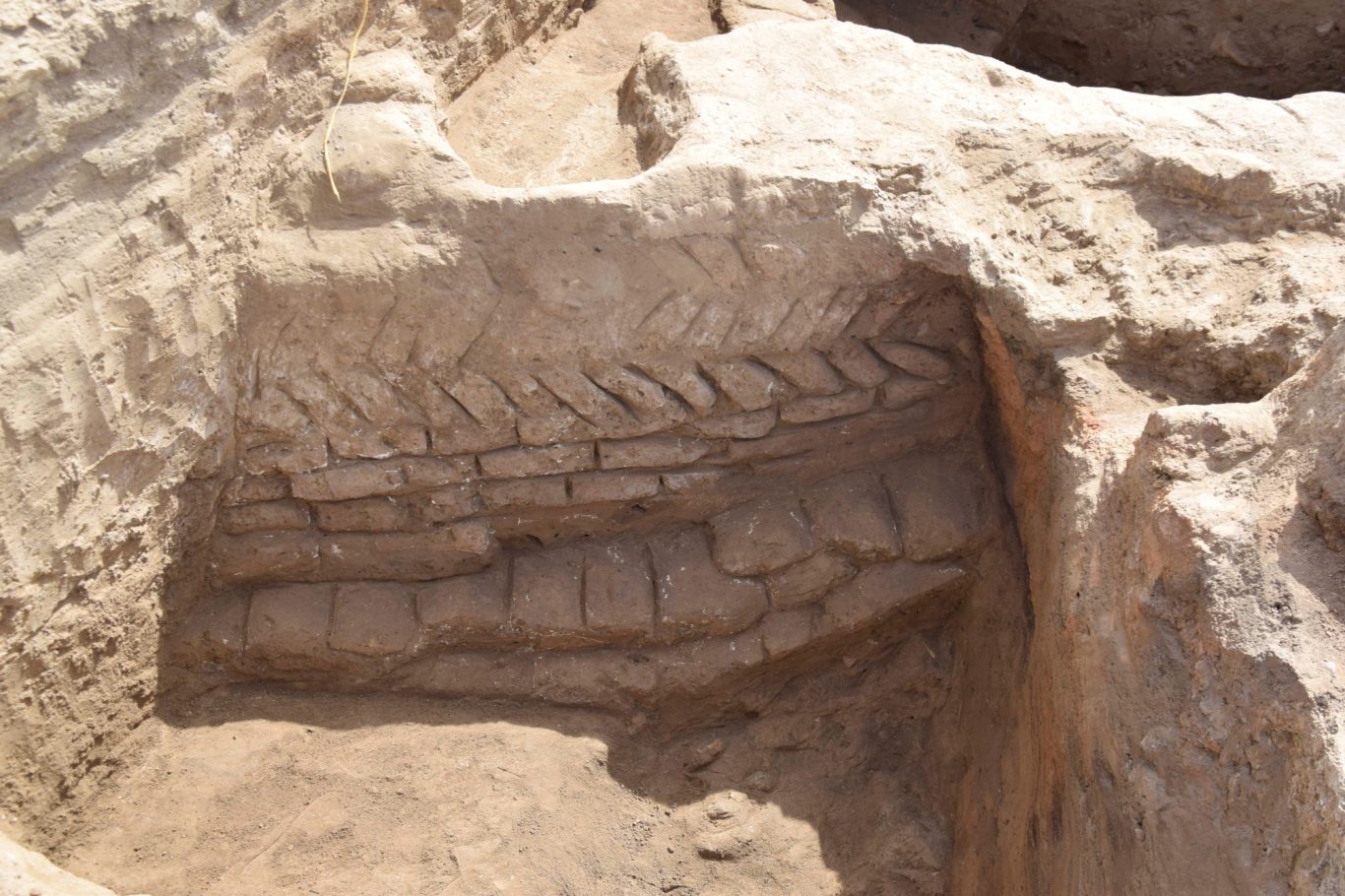
The remains of several houses of Early Dynastic date were brought to light in the early trenches, which were enlarged to excavation areas in some places. Numerous tools, weapons and pottery vessels were found within these houses, testifying to the former daily life of the inhabitants as farmers, fishermen, merchants, and handicraft people.
The biggest surprise were about 900 cuneiform tablets: the earliest understandable cuneiform texts ever found. Since they were so characteristic, the period between 2600 and 2500 BC was labelled the “Fara Period”, today mostly referred to as ED IIIa.
Giving hope for looted Iraqi tell sites: Damaged, but not lost forever
During the difficult period after 2003, the tell site of Fara fell victim to massive looting by clandestine diggers. Thousands of looting pits cover the mound today, and common opinion was that the site was lost for any further research.
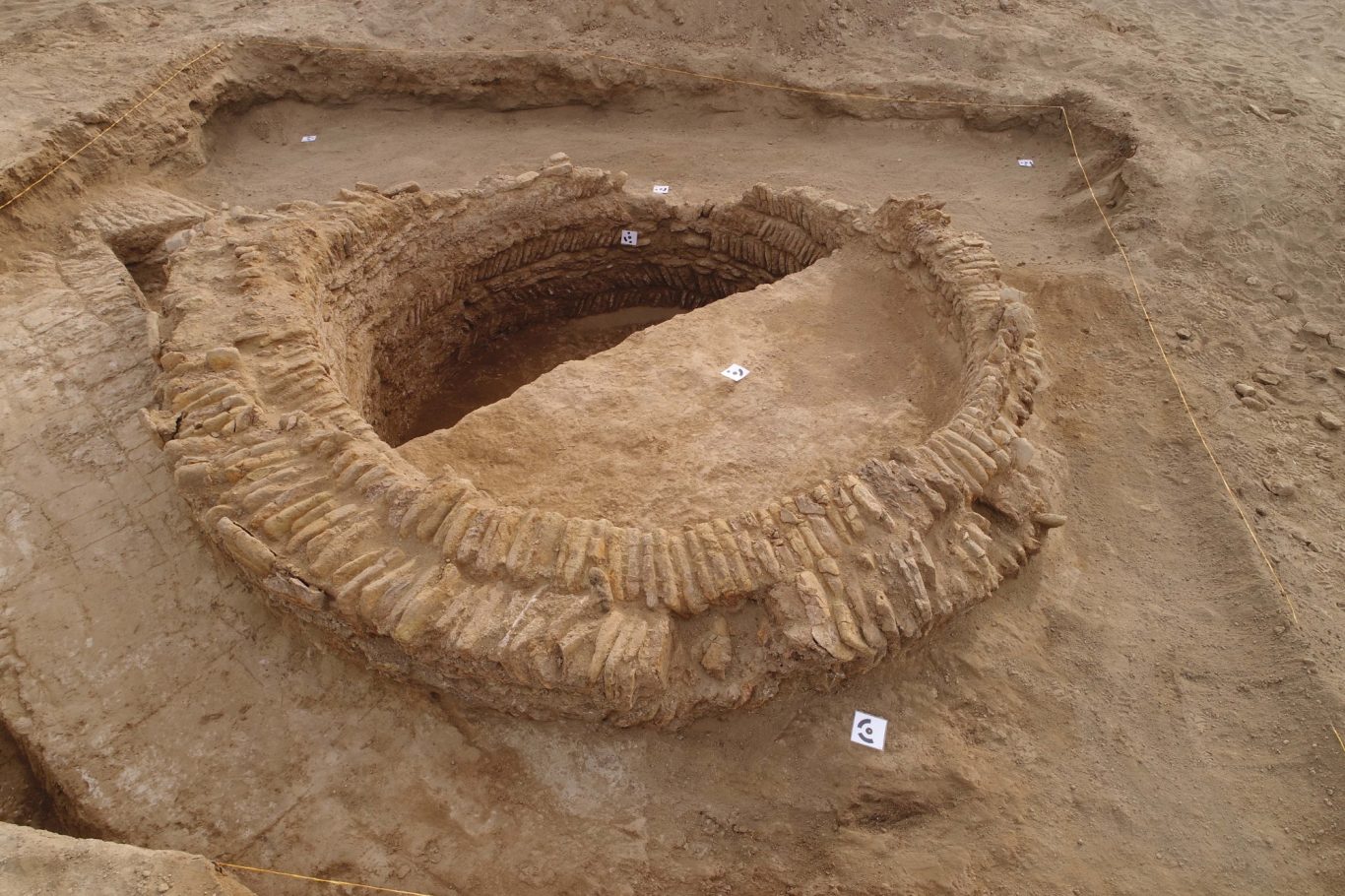
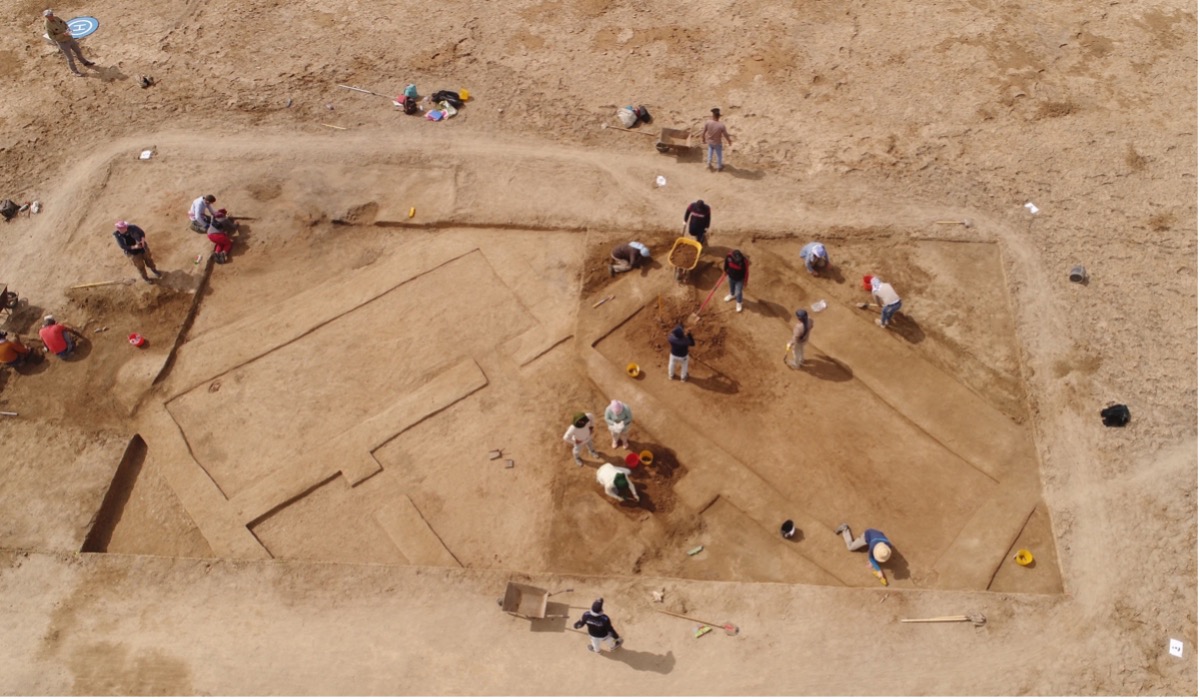
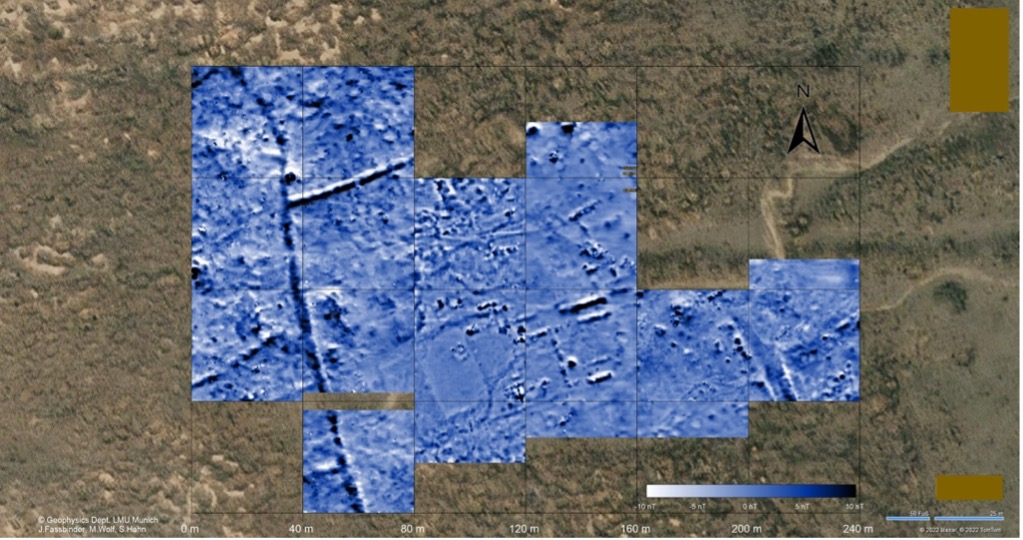
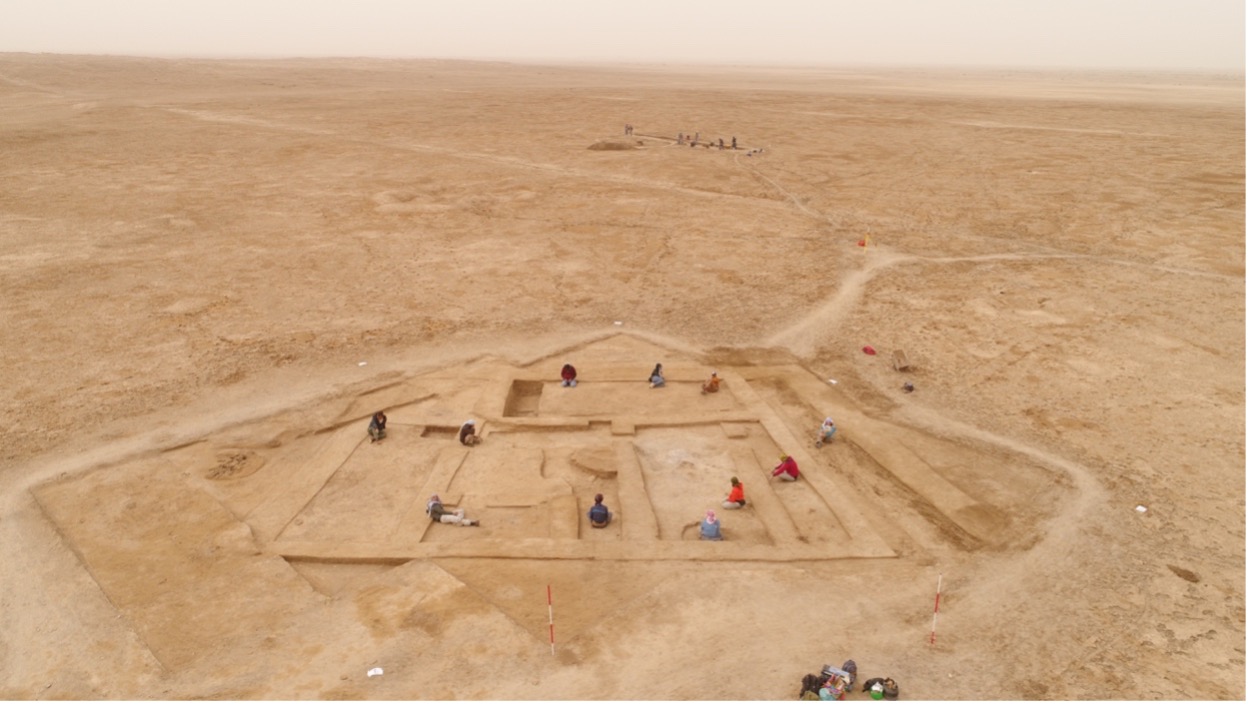
Nevertheless, an Iraqi-German team resumed work in 2016, hoping that not the complete tell was destroyed. We began with systematic surface surveys and geophysical prospection. In a few areas, pilot excavations on a limited scale were conducted. The results are also encouraging for other heavily looted tells in Iraq: Good results can still be achieved if the right methods are employed and the right questions asked.
Our preliminary works have already provided substantial clues to the urban structures: WE can localize a few large and small households, production areas and granaries within the city area measuring 250 hectares. The city is surrounded by a large city wall, crossed by canals and flanked by harbours. A large building, probably the temple of the city goddess Sud, was located in the center. In future seasons, we aim to explore better the urban structures and the layout of the city, the human activities in the urban environment, as well as the urban society, economy and administration.
Why new research is needed in Fara
In the 3rd millennium BC, the majority of Sumer's population is thought to have lived in large cities, as is known from textual sources and surveys. However, only the mound of Fāra offers the unique opportunity to comprehensively explore an Early Dynastic II–IIIa-period (ca. 2,700-2,500 BC) urban center with the help of the entire arsenal of cutting-edge archaeological and scientific methods.
The urban structures of ancient Šuruppak lie directly on the surface, without later overbuilding, and allow systematic and large-scale investigation using non-invasive methods such as geophysics and remote sensing, and the precise planning of limited excavations and drillings.
The results can then be directly related to the history, society and economy of the city, which is already reasonably well known from the more than 800 cuneiform texts excavated here in 1902-1903.
In this way, Fara will hopefully become a model of a city from the Early Dynastic period, providing us with detailed information about how people lived in Mesopotamia 4,500 years ago.
Read more:
https://www.en.vorderas-archaeologie.uni-muenchen.de/research/fara-fieldwork/index.html
https://www.en.vorderas-archaeologie.uni-muenchen.de/research/fara/index.html
Text by Prof. Adelheid Otto, Ludwig Maximilian University Munich