HEARTLAND OF CITIES
قلوب المدن
ربط علم الآثار والتراث
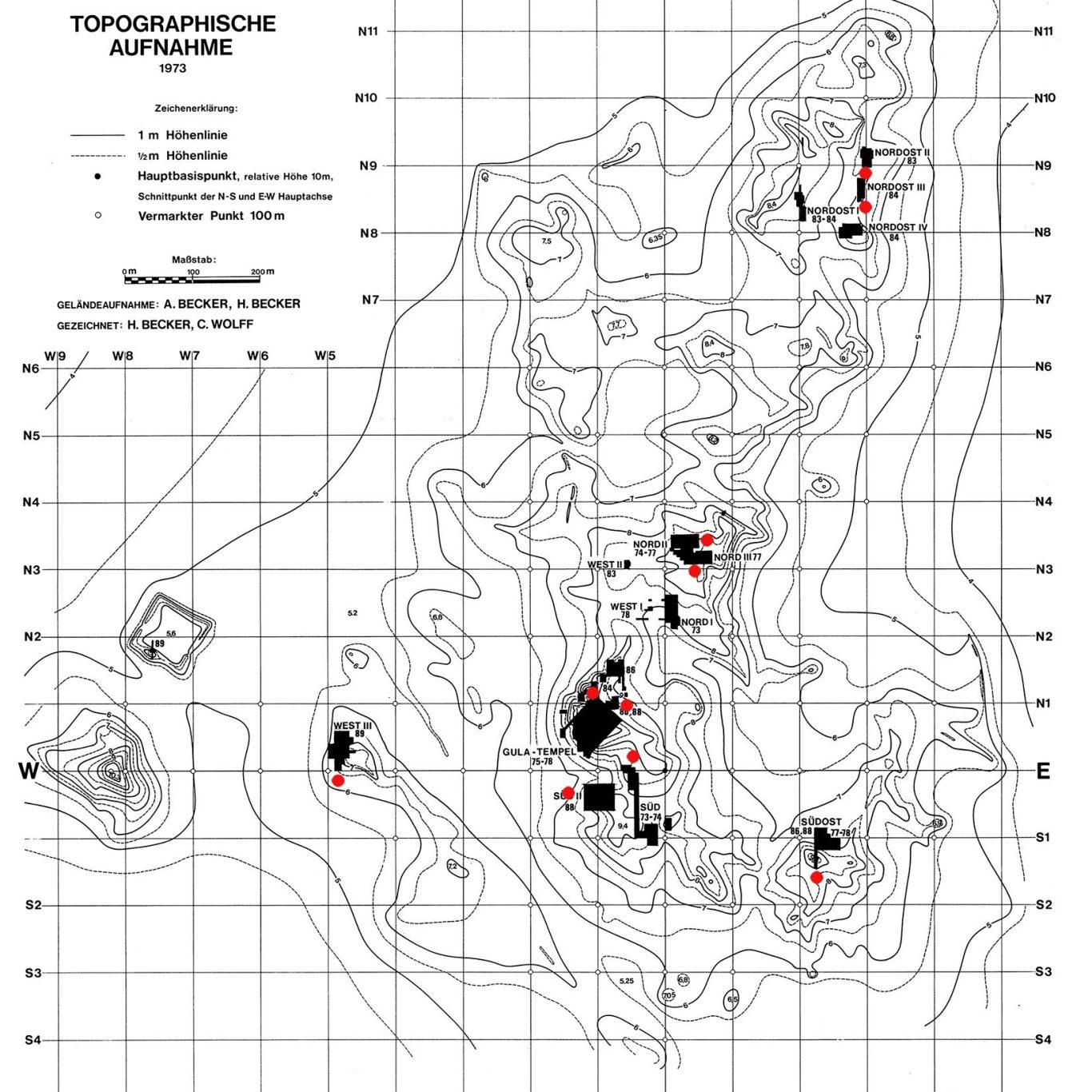
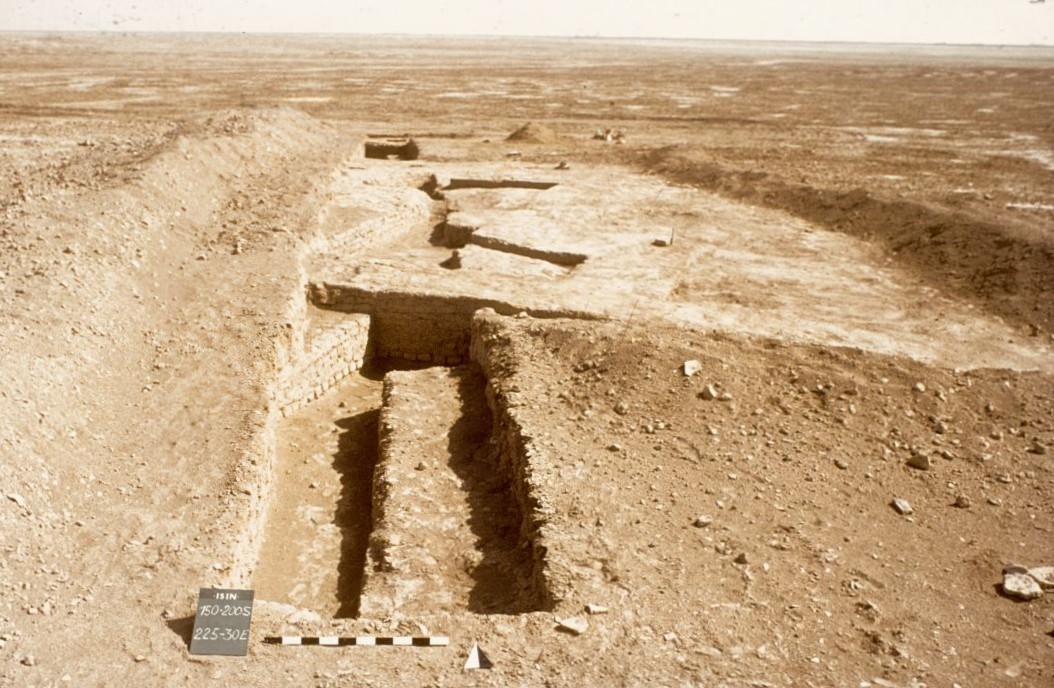
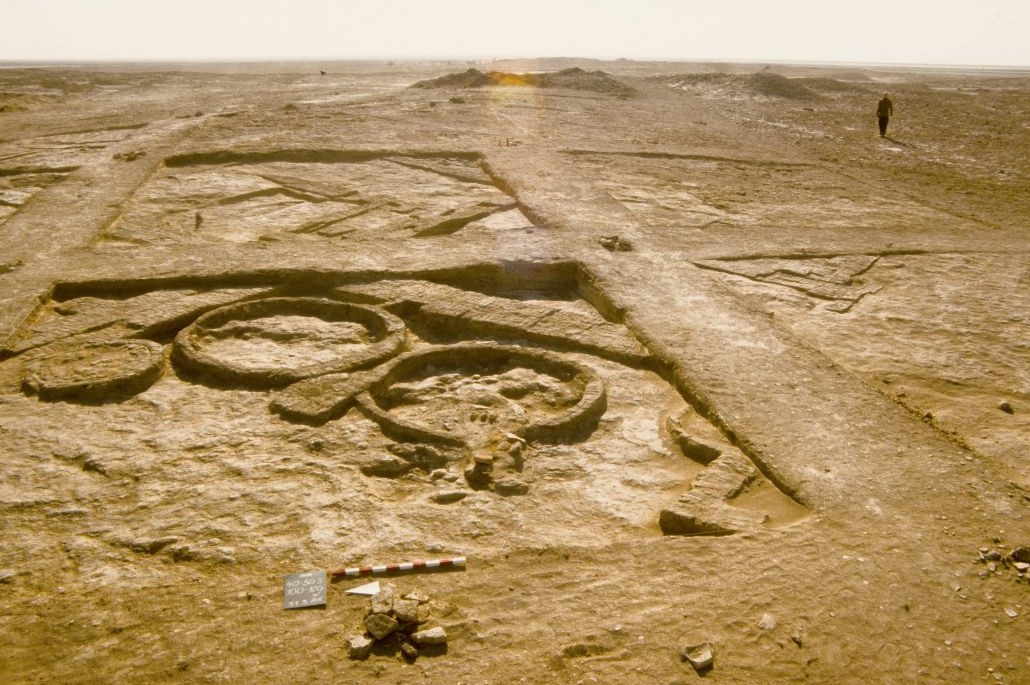
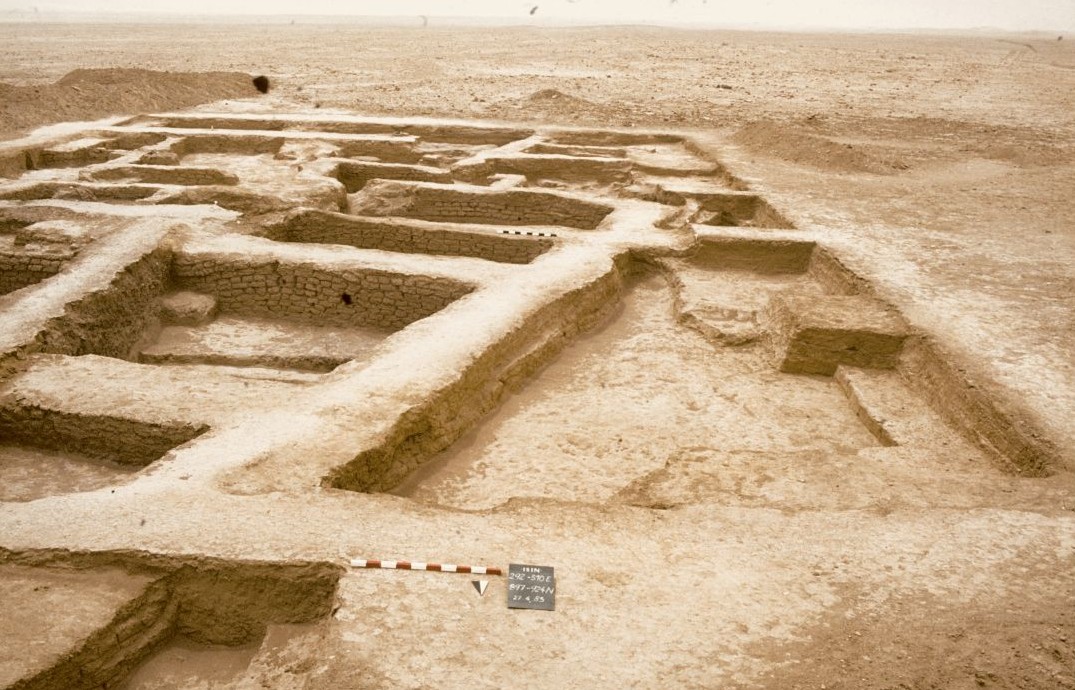
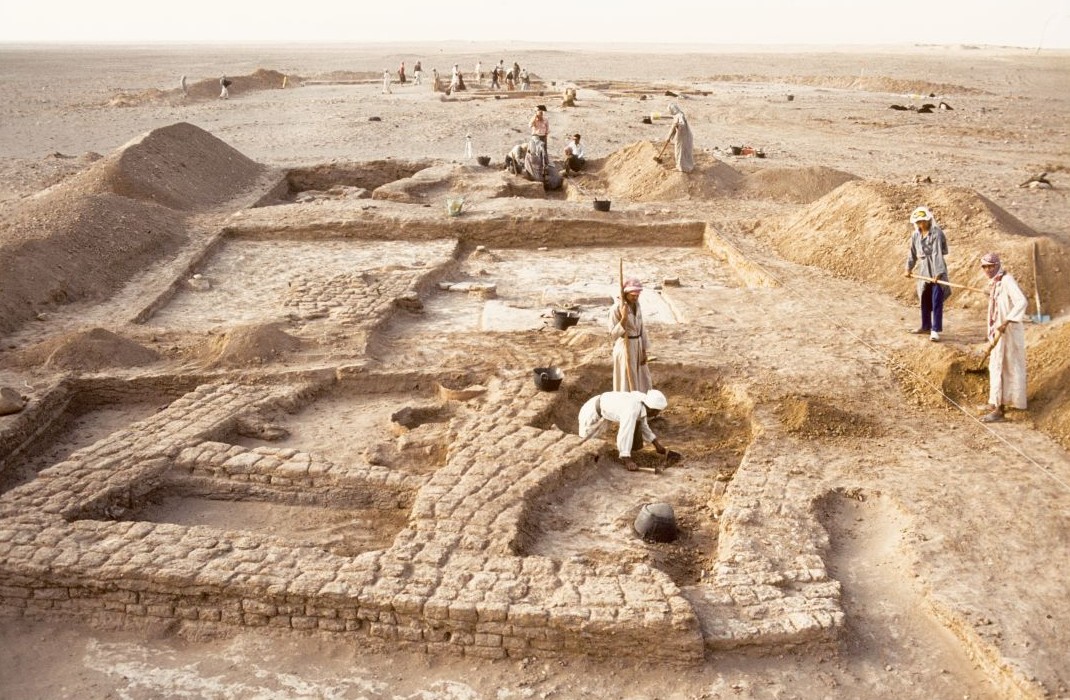
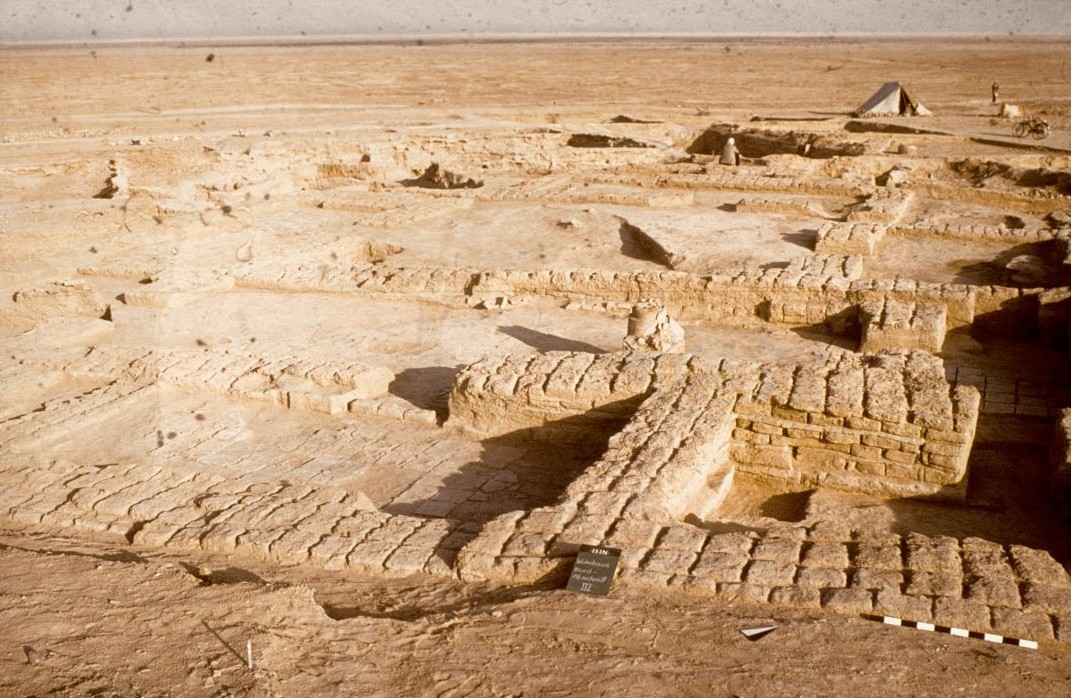
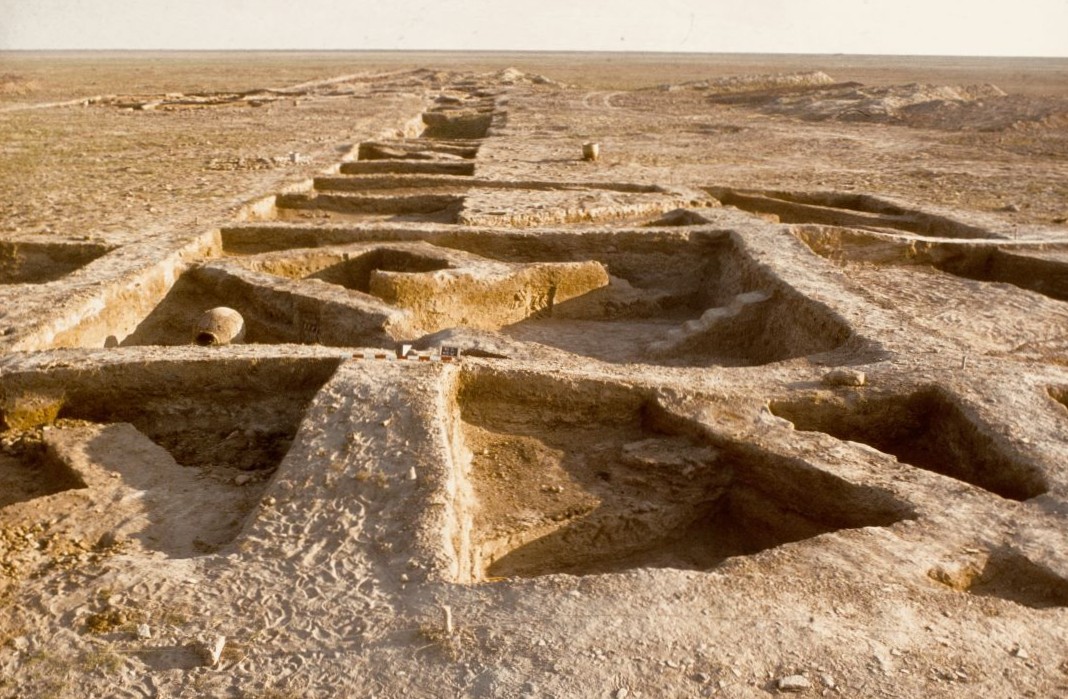
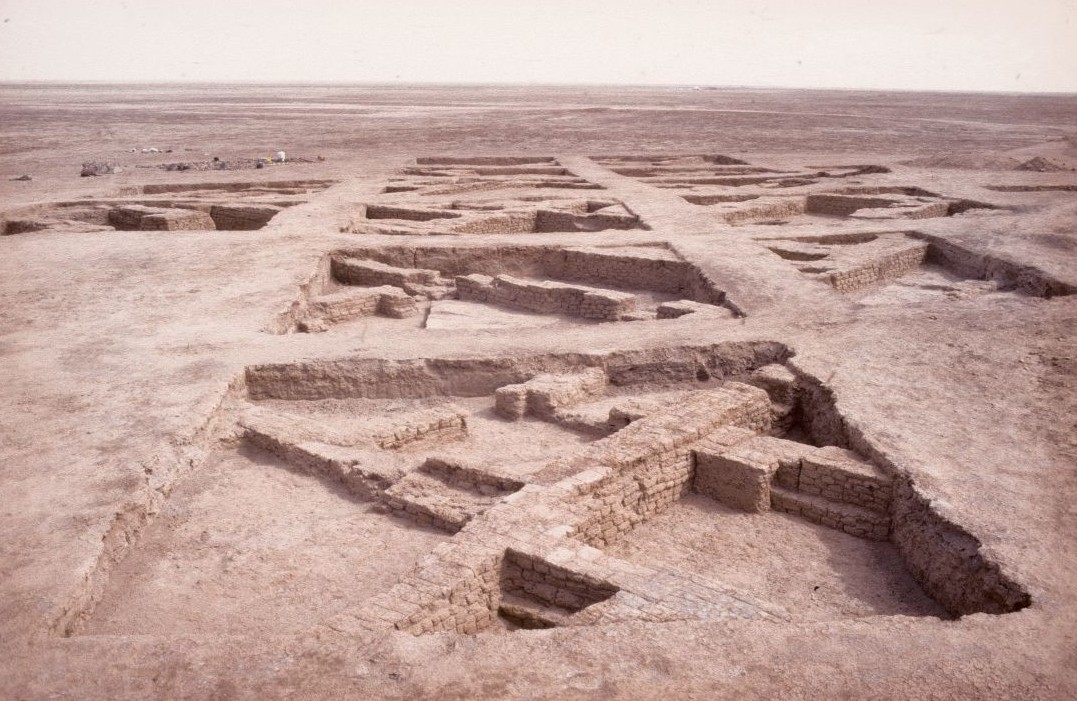
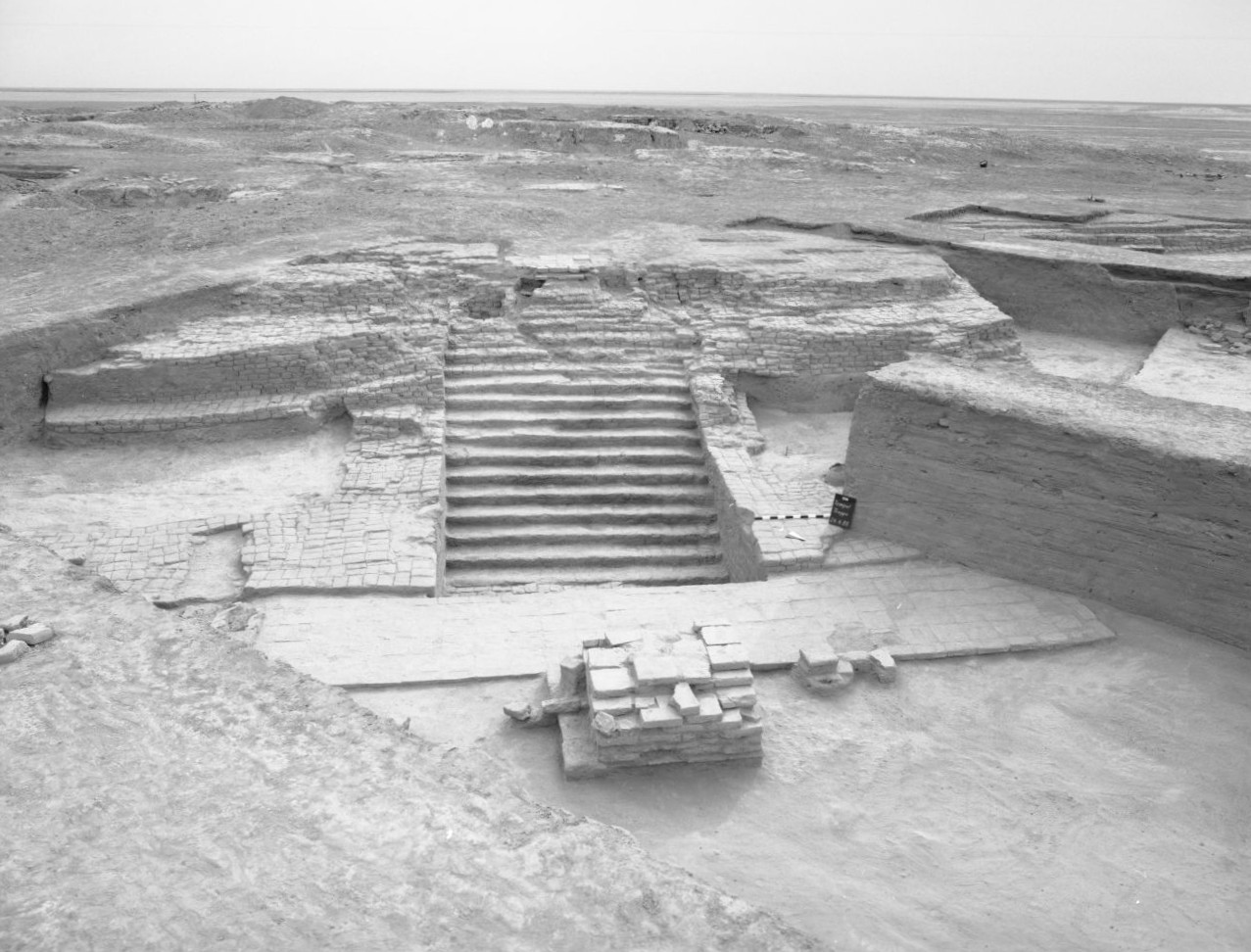
Isin is one of the largest archaeological sites in southern Iraq, covering an area of approximately 200 hectares. Its settlement history begins in the Late Uruk period around 3300 BCE and continues until the 4th century BCE. Along the western fringes of the site, evidence of Sasanian and Islamic occupation has also been identified, making it reasonable to speak of a settlement history spanning roughly 4,000 to 5,000 years.
Before the rise of Babylon, Isin served as a capital of Babylonia. In 2003 BCE it succeeded Ur as the dominant political center and ruled large parts of the alluvial plain until around 1800 BCE, when it was conquered by Larsa; Larsa itself was later defeated by Babylon in 1763 BCE. Isin is one of only two cities in Babylonia that held the status of capital twice. The Babylonian King List records a second dynasty of Isin between 1154 and 1022 BCE, with Nebuchadnezzar I as its most important ruler.
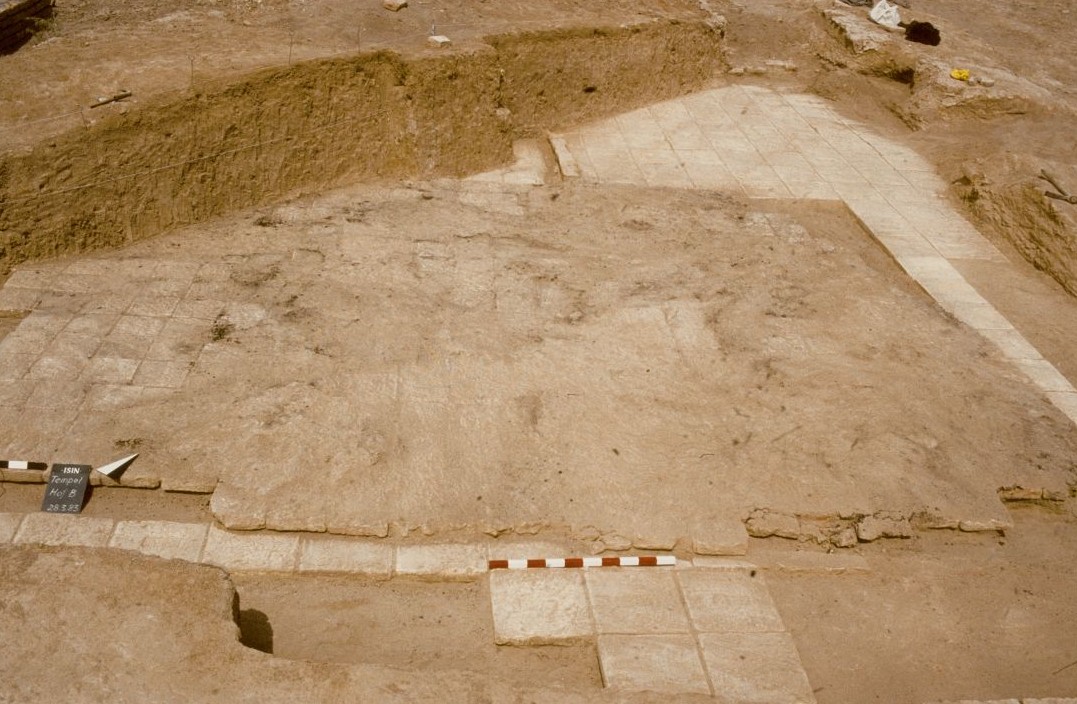
During the second millennium BCE, Isin was also an important center of healing and pilgrimage. The temple of the goddess Gula attracted people seeking relief from illness.
Today, the site is not fenced and is therefore particularly vulnerable to illicit digging. It has been intensively looted since 2003, underscoring the urgency of preserving its value as a historical monument, especially for the period following the destruction of Ur.
Text by Dr. Kai Kaniuth, Ludwig Maximilian University Munich
I S H A N A L - B A H R I Y A T
a N C I E N T I S I N